
Payments & Invoicing
Payment Methods Publishers Should Offer for Guest Posts and Backlinks
Updated 09/06/2026
Publishing businesses grow faster when the operational details are clear. This guide looks at a practical part of selling and delivering guest posts, backlinks, sponsored articles, and press releases with less manual work.
Different buyers prefer different payment flows
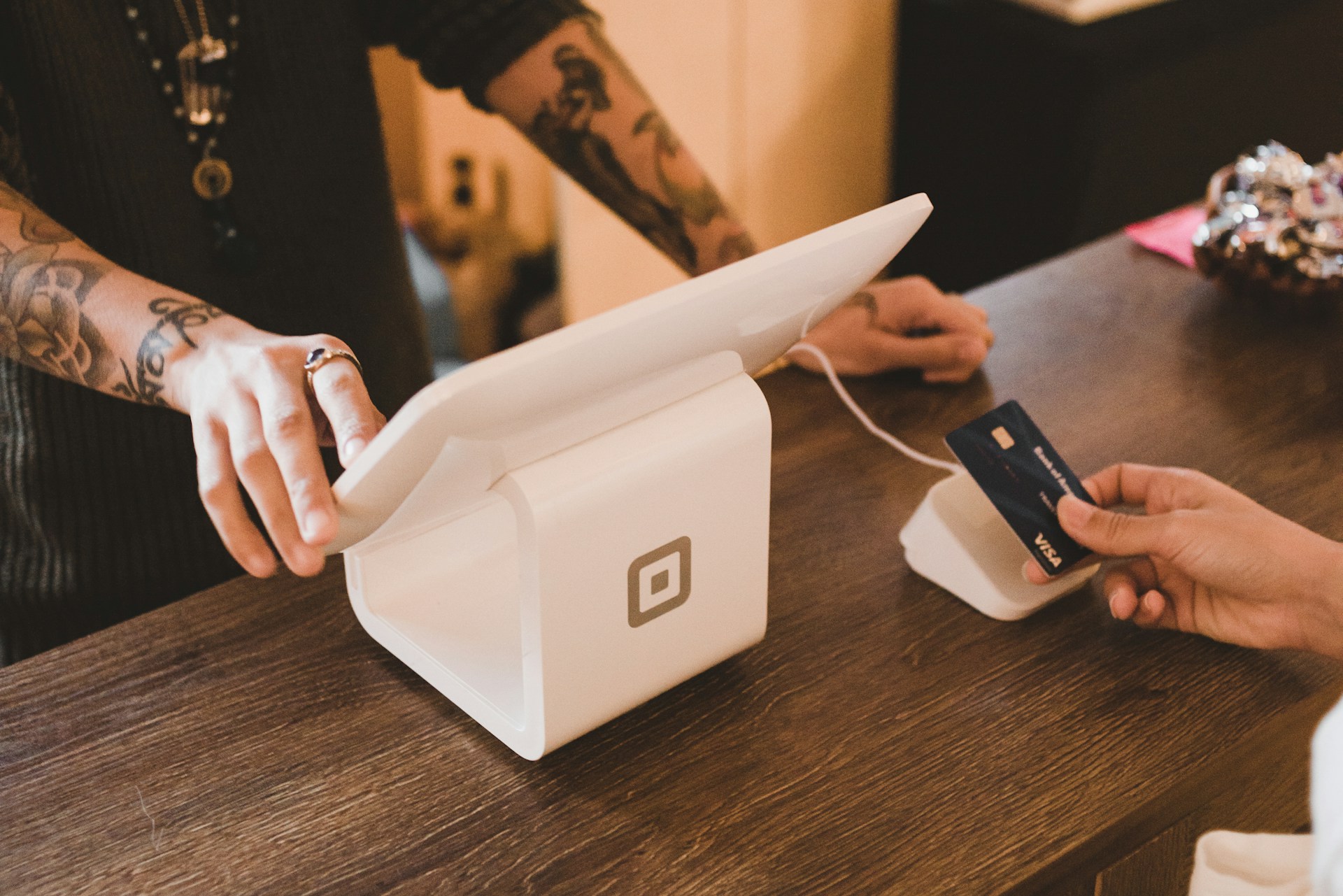
Small buyers often want card checkout. Agencies may prefer PayPal. Larger companies, especially in Europe, frequently ask for bank transfer and a formal invoice. If a storefront supports only one method, the seller may lose otherwise good orders.
A serious publishing storefront should make payment feel familiar and trustworthy. The important part is not having every possible provider on day one. It is having the right core methods and a clear path for custom payment requests when the business needs them.
Why payment settings should be per storefront
Publishers with multiple companies cannot safely use one global payment account for everything. Storefront A may need Stripe for one company, Storefront B may need bank transfer for another company, and Storefront C may need PayPal for a different market.
Per-storefront payment configuration keeps revenue, invoices, company details, and accounting cleaner. It also makes the storefront more believable to buyers because the company shown at checkout matches the invoice and payment instructions.
Bank transfer is not old-fashioned
Bank transfer remains important for B2B publishing. Some companies cannot pay by card. Some agencies prefer to pay invoices in batches. Others need internal approval before money moves. A bank transfer flow should show clear instructions after order creation and let the seller mark the order as paid when money arrives.
The key is status clarity. Buyers should know the order is awaiting payment, and sellers should see which orders need confirmation. Once marked paid, the publishing workflow can continue.
Invoices are part of the customer experience
Invoices should not be an afterthought. They should include the correct company details, buyer details, invoice number, payment status, currency, VAT data when applicable, coupon discounts, and downloadable PDF files.
WPLinker supports invoice settings per storefront because accounting rules vary by country and company. That flexibility matters when a publisher grows from casual sales into a real B2B operation.
Final thought
The best publishing systems do not remove the seller from the business. They remove repetitive coordination, reduce mistakes, and give buyers a professional path from order to delivery.